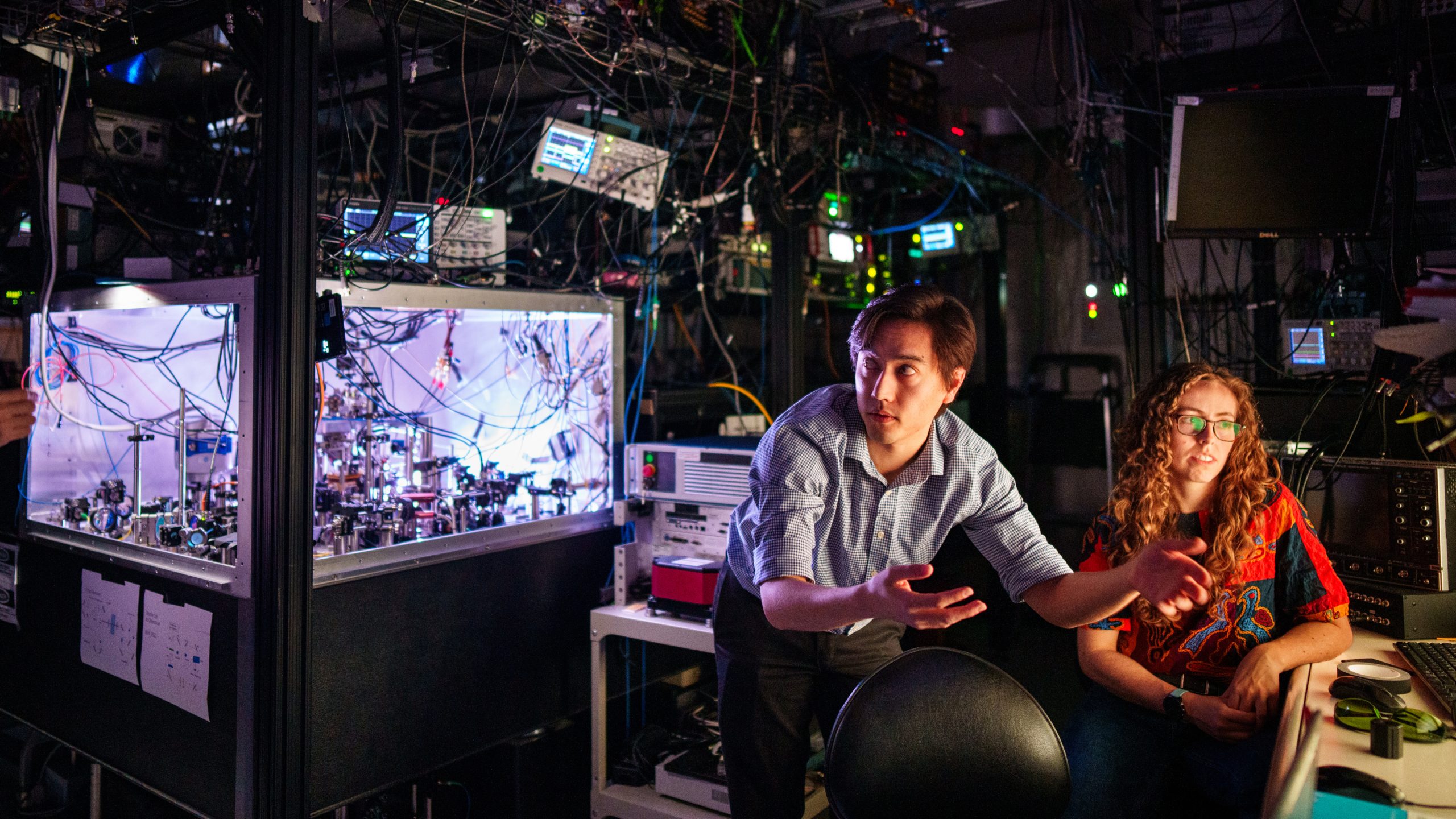
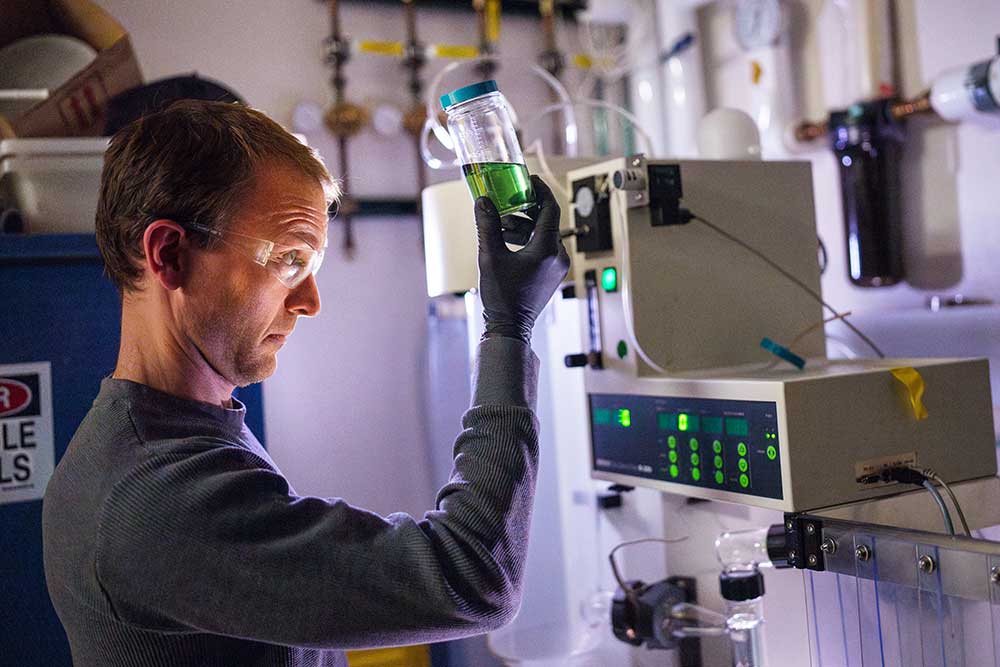
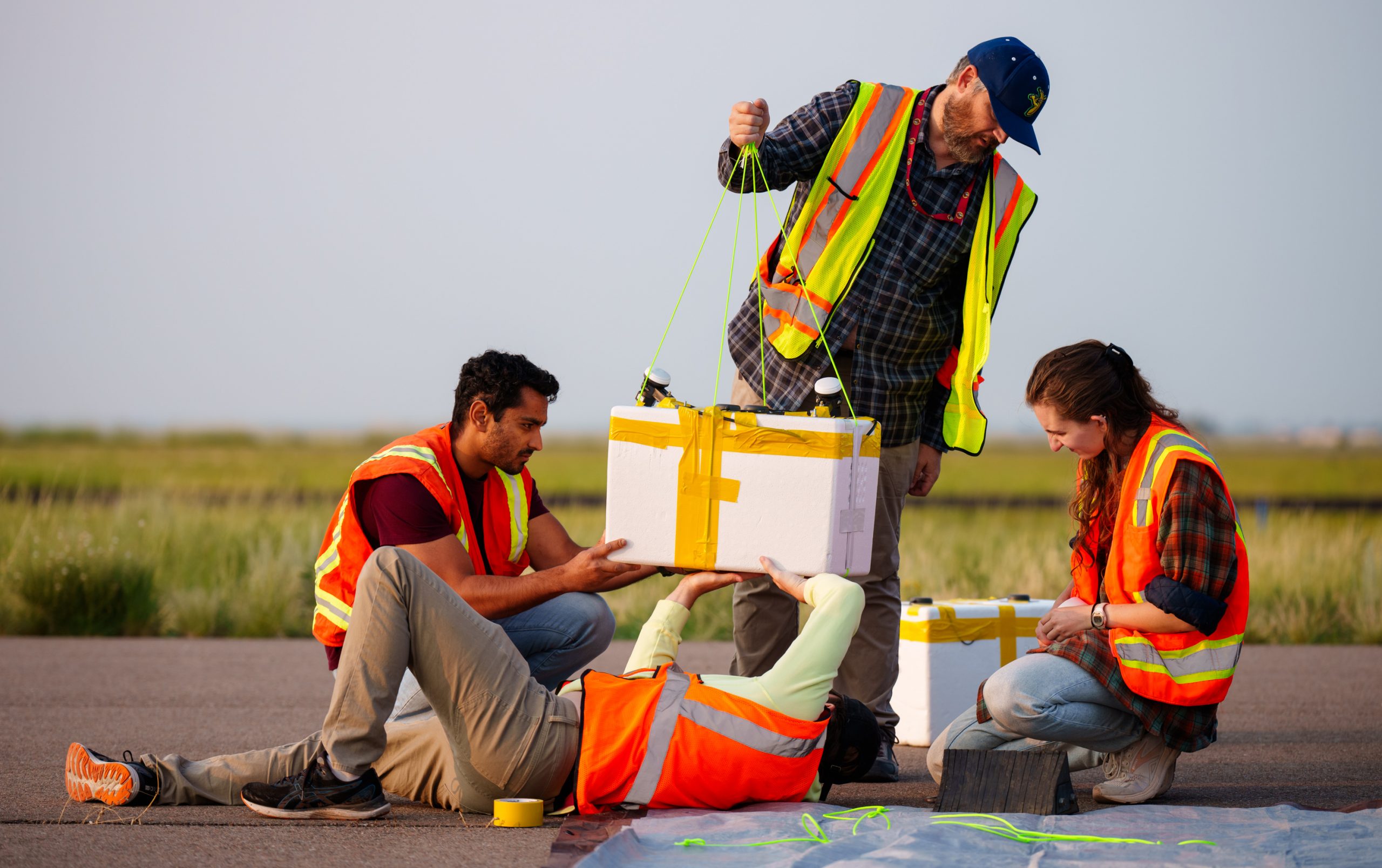
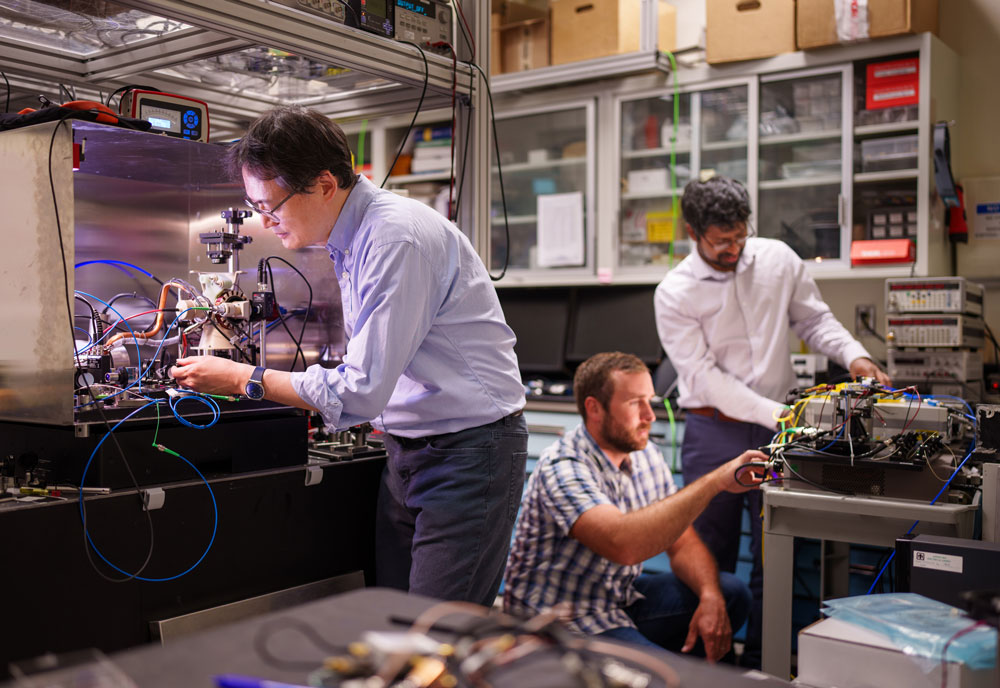
High-risk, potentially high-payoff science and engineering research is at the heart of Sandia’s Laboratory Directed Research & Development (LDRD) program. This program provides the flexibility needed to anticipate and respond quickly to future mission needs and to explore potentially revolutionary advances.
LDRD funding is awarded annually through a rigorous and highly competitive peer-review process focused on the forward-looking needs articulated by Sandia’s five mission areas, eight research areas, and assorted strategic initiatives.
The LDRD program serves as a tremendous recruitment tool because it provides individuals at Sandia with the ability to use leading-edge facilities in creative, potentially transformational research. Some of the nation’s most exciting innovations have roots in LDRD research.
Recent Highlights
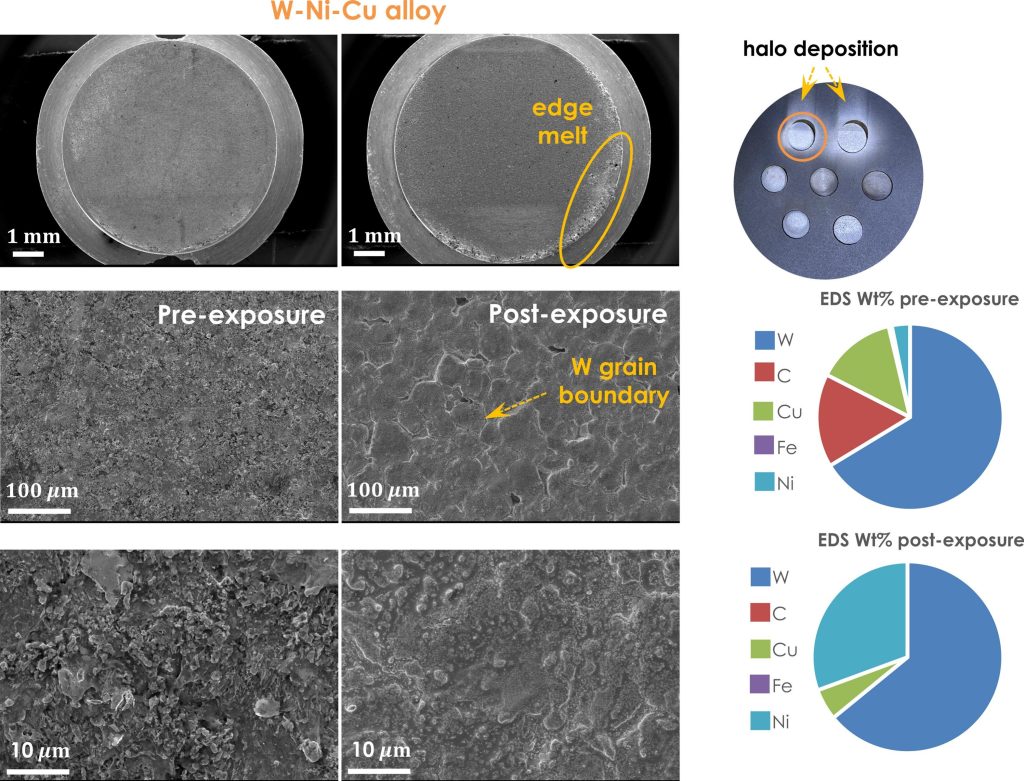
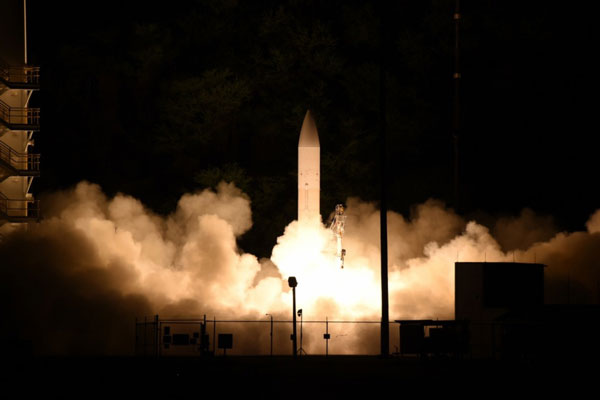
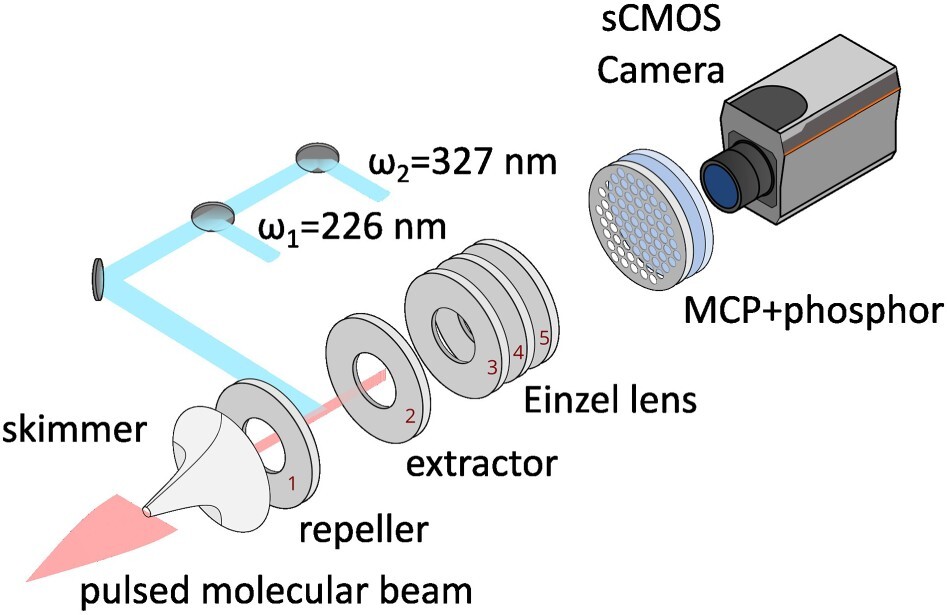
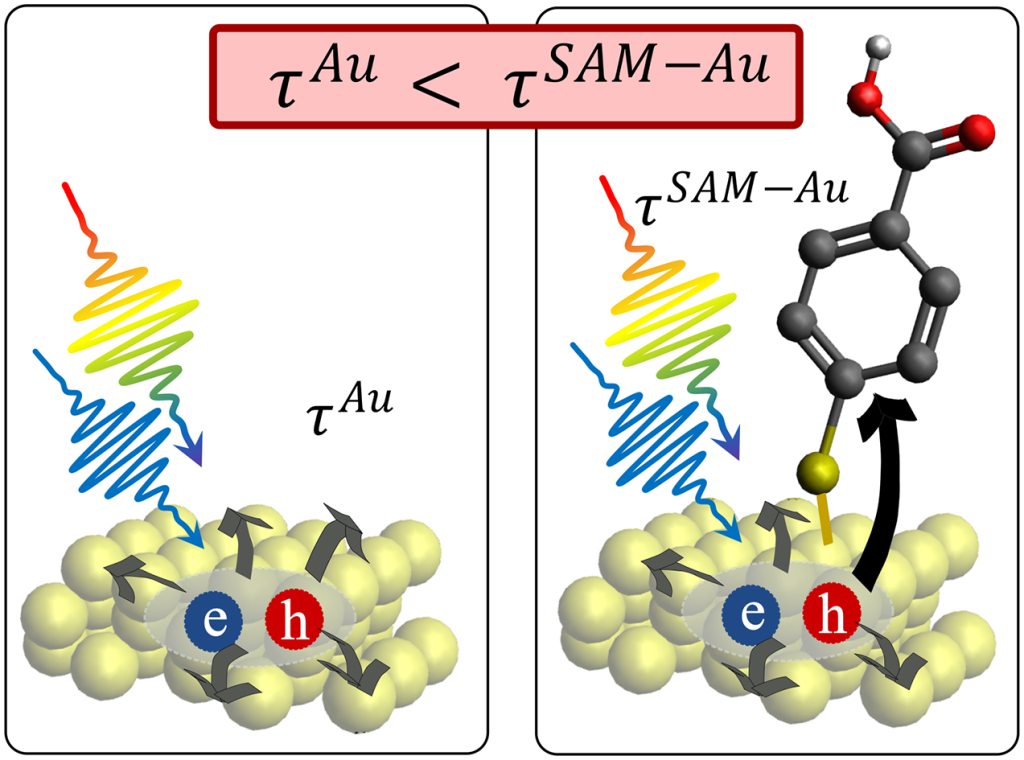
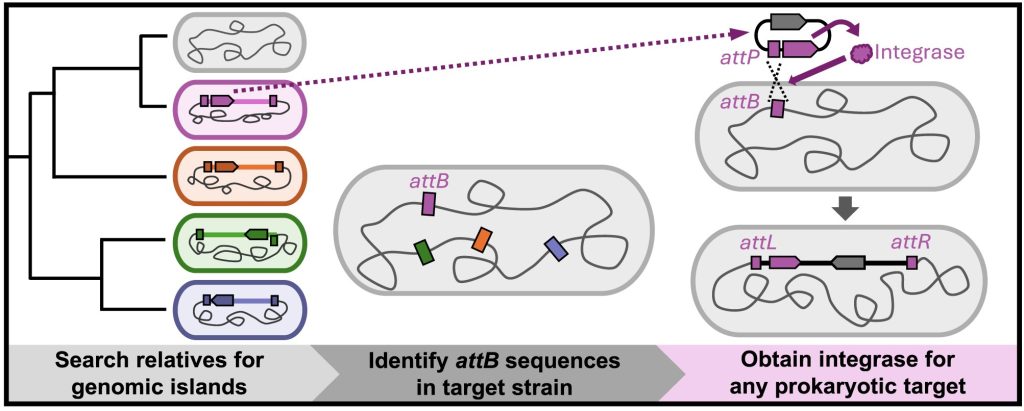

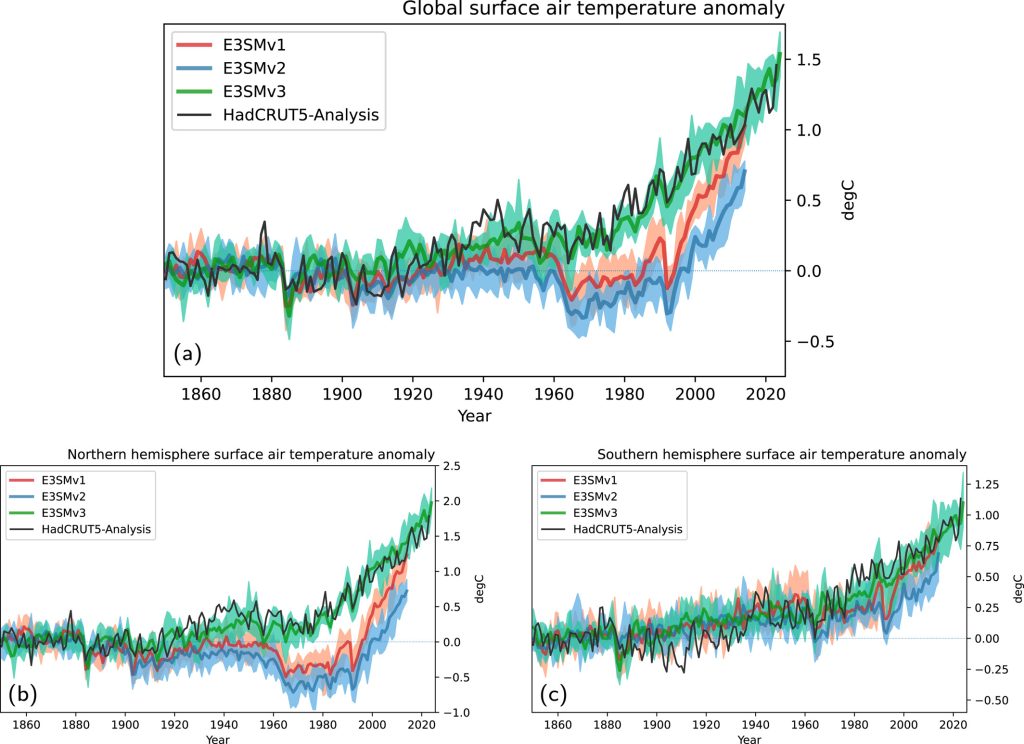
LDRD Research Areas
- Biological Science
- Earth, Energy & Environmental Science
- Engineering Science
- Materials & Advanced Manufacturing
- Mathematics, Computing & Information Science
- Nanodevices and Microsystems
- Physical Science
- Radiation Effects & High Energy Physics
Mission Campaigns
Mission Campaigns are transient, strategically focused and emphasize well-developed roadmaps and R&D priorities that seek to address identified needs that position Sandia to solve future national security mission challenges.
Current Mission Campaigns
- Digital Assurance for High Consequence Systems (DAHCS)
- Assured Survivability and Agility with Pulsed Power (ASAP)
- Resilient Energy Systems (RES)
- Science and Technology Advancing Resilience for Contested Space (STARCS)
- Research Assured Design and Testing for Electronics and Computational Hardening (RAD-TECH)
Grand Challenges
Sandia’s Grand Challenge LDRD projects represent Sandia’s largest individual investments in discretionary R&D. They are ambitious, seek transformational outcomes that are inspired by critical national security problems, and perform high risk/high reward research that will greatly enhance or enable Sandia’s missions. Grand Challenge teams are drawn from across the labs to work on a common set of milestones and deliverables and often include external collaborators.
Current Grand Challenges
- EPIQ: Error-corrected Photonic Integrated Qubits
- PETRI: Photonic Enabled Tera-scale InfraRed Imager
- CAPSIID: Computational Approaches for Predicting Shared Interactions of Infectious Diseases
- TPS: Thermal Protection System
- RAD-EDGE: Radiation-hardened processing systems